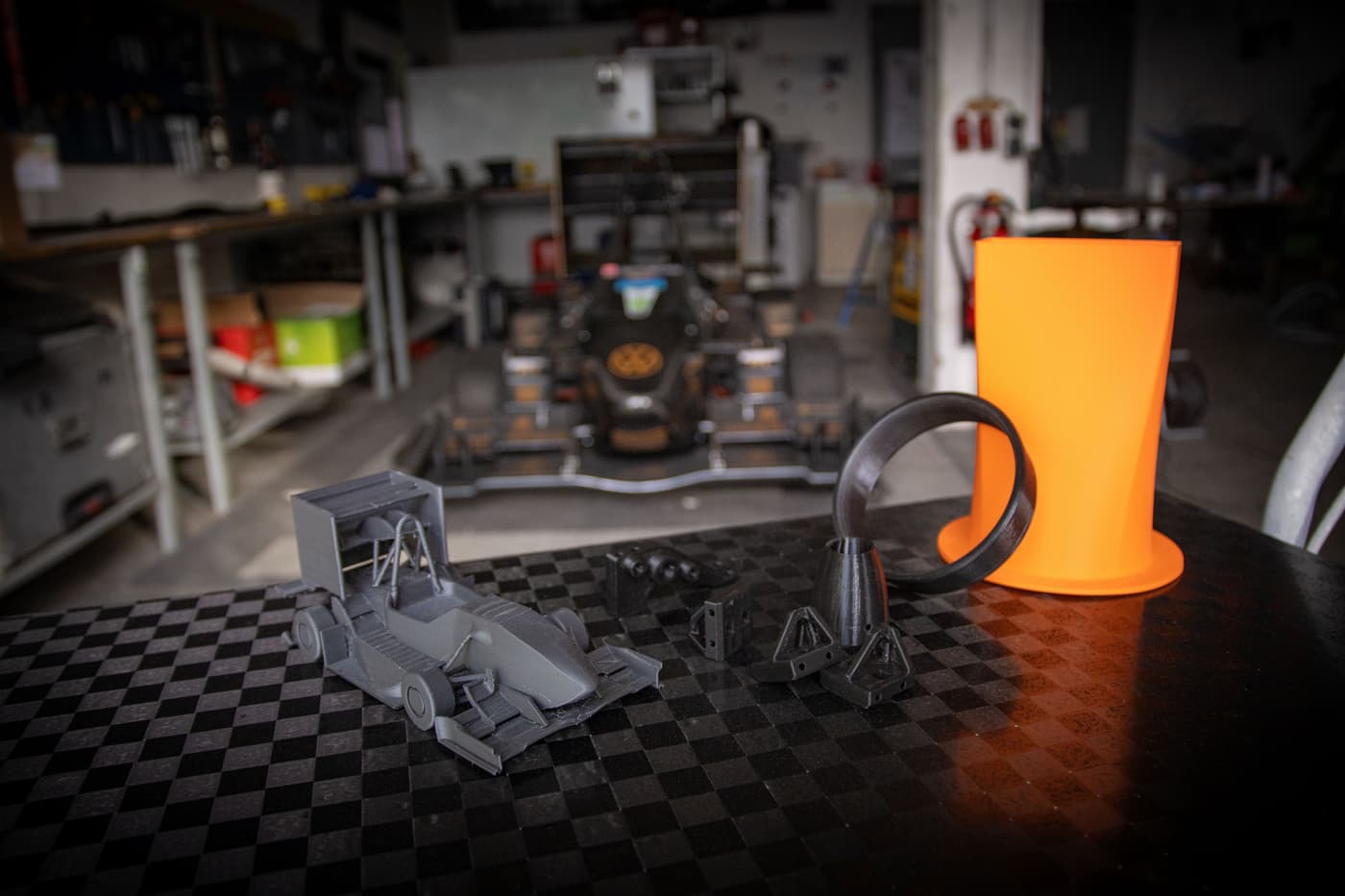

Extrudr believes in nurturing the future of engineering. That's why we're enthusiastic supporters of Formula Student competitions. These global events bring together university teams to design, build and race innovative vehicles – in the categories combustion, electric and even driverless.
Formula Student goes beyond the thrill of speed. It's a competition that pushes students to excel in all aspects of (race-)car creation. Teams act as miniature manufacturers, crafting prototypes that impress not just on the track, but also with their affordability, reliability, and marketability. This focus on balancing cutting-edge engineering with practical concerns aligns perfectly with our company's values. We see Formula Student as a breeding ground for the next generation of engineers, and we're proud to be a part of their journey.
Link to "What is Formula Student?" YouTube video
Extrudr is sponsoring high-quality filament for 23 Formula Student teams across Austria, Switzerland, Germany, Hungary, and Spain in the 2024/23 season. Our high-performance materials are used by these teams to 3D print technical components for their racing cars.
Our filament excels in mechanical properties, boasting high chemical resistance, heat resistance exceeding 100 degrees Celsius, exceptional shore hardness, and impressive impact resistance. These very properties are essential for demanding applications in the automotive sector, as Formula Student teams effectively demonstrate every season.
Exturdr high performance materials are: GreenTEC, GreenTEC Pro, GreenTEC Pro Carbon, DuraPro ASA, DuraPro ASA CF, DuraPro ABS, FLEX Medium, FLEX Hard, PETG and XPETG. Further, our PLA is often used for building prototypes because of its easy printability.
Example Zurich UAS Racing
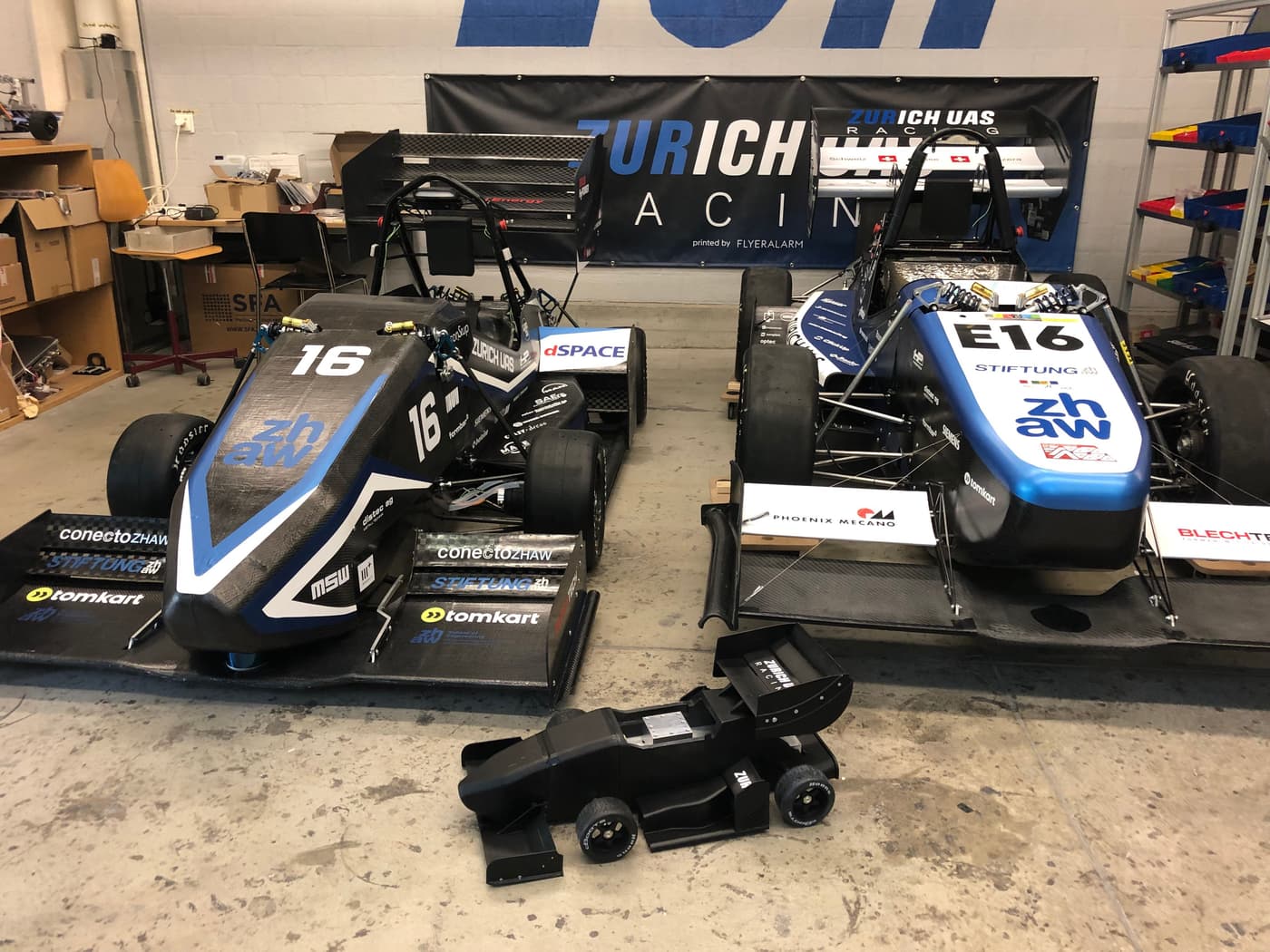
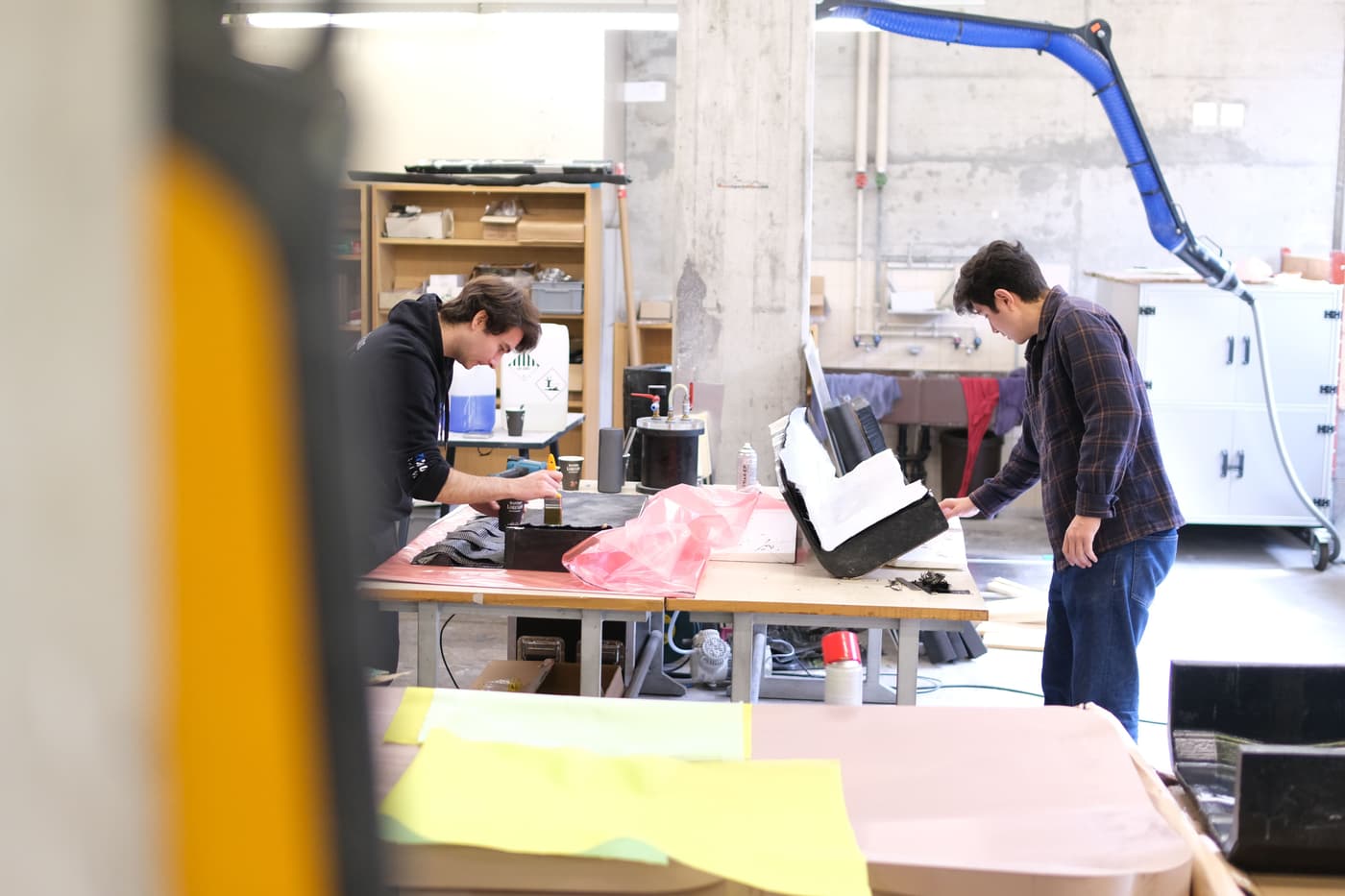
The Zurich UAS Racing team uses Extrudr filament mainly for lamination molds and wind tunnel models for aerodynamic evaluations.
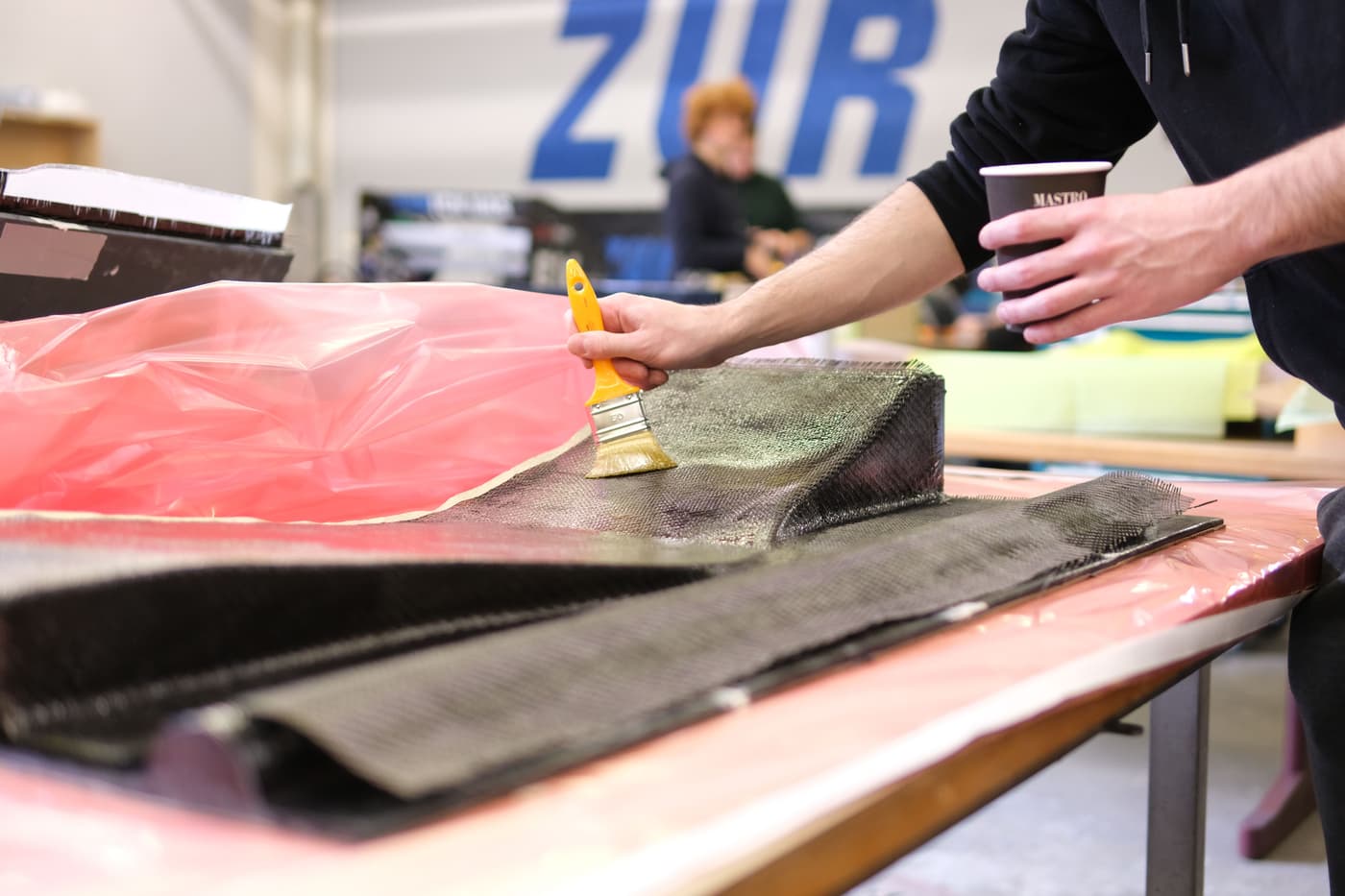
The bodywork and aerodynamics of the racing car are made exclusively from carbon fiber. The team laminates these parts itself. As far as possible, the positive or negative molds used for this are also produced in-house. These include, for example, the wing molds, parts of the paneling and the seat or the floor cover of the cockpit. The self-printed molds are treated with an epoxy gel to make the surface smooth and airtight.
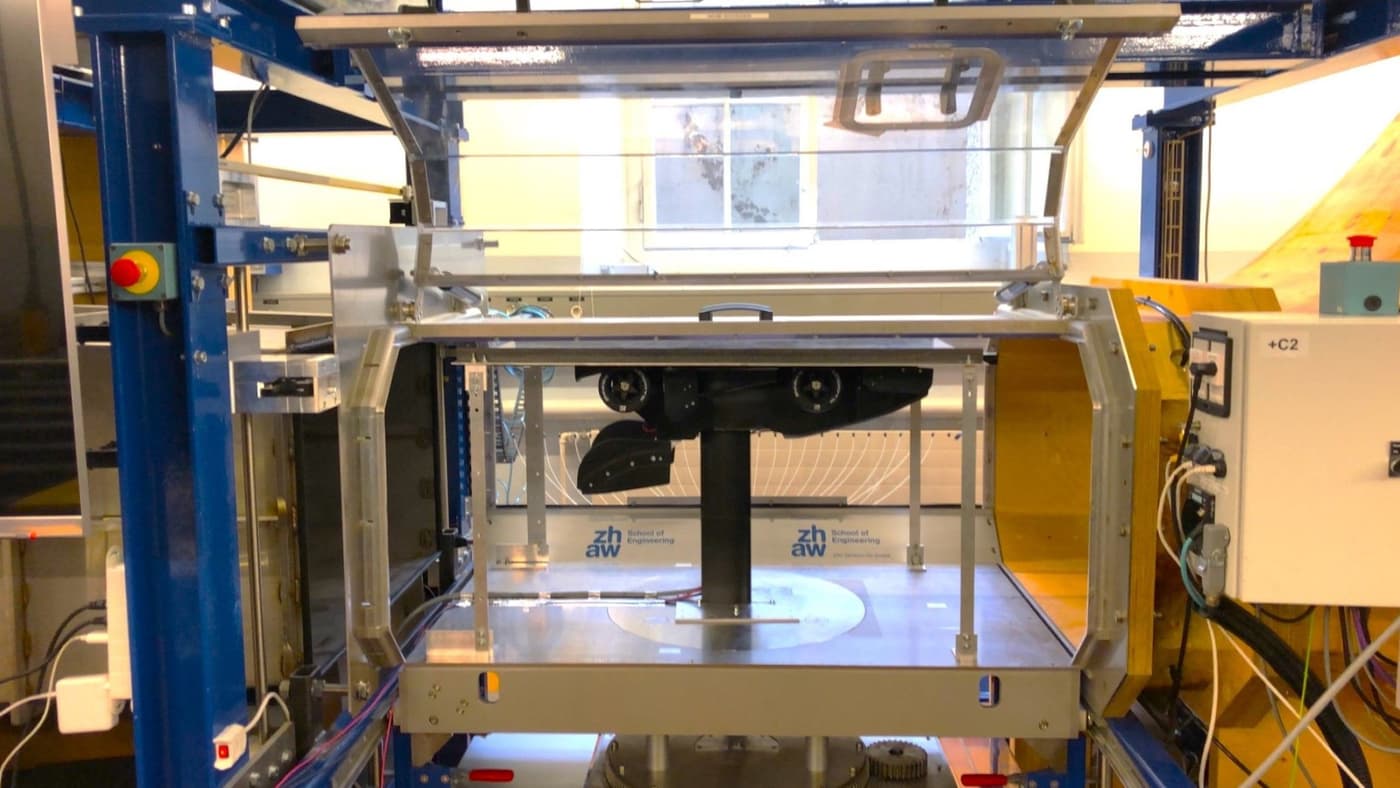
In order to test the aerodynamic properties of the racing car, the team has already validated a 1:4 model in the wind tunnel at the ZHAW School of Engineering. The process is relatively simple:
- The 3D model of the racing car is scaled down to 25%.
- The scaled model is printed in individual parts using a 3D printer.
- The aerodynamic performance of the model is measured in the wind tunnel.
- The measured values are compared with the computer-simulated values.
This gives the team a more accurate picture of how the aerodynamic concept of the racing car performs.
Statements from other teams
“Thanks to Extrudr for providing us with their GreenTEC Pro Carbon filament to give our wing profile more stiffness with less weight.” Arrabona Racing Hungary
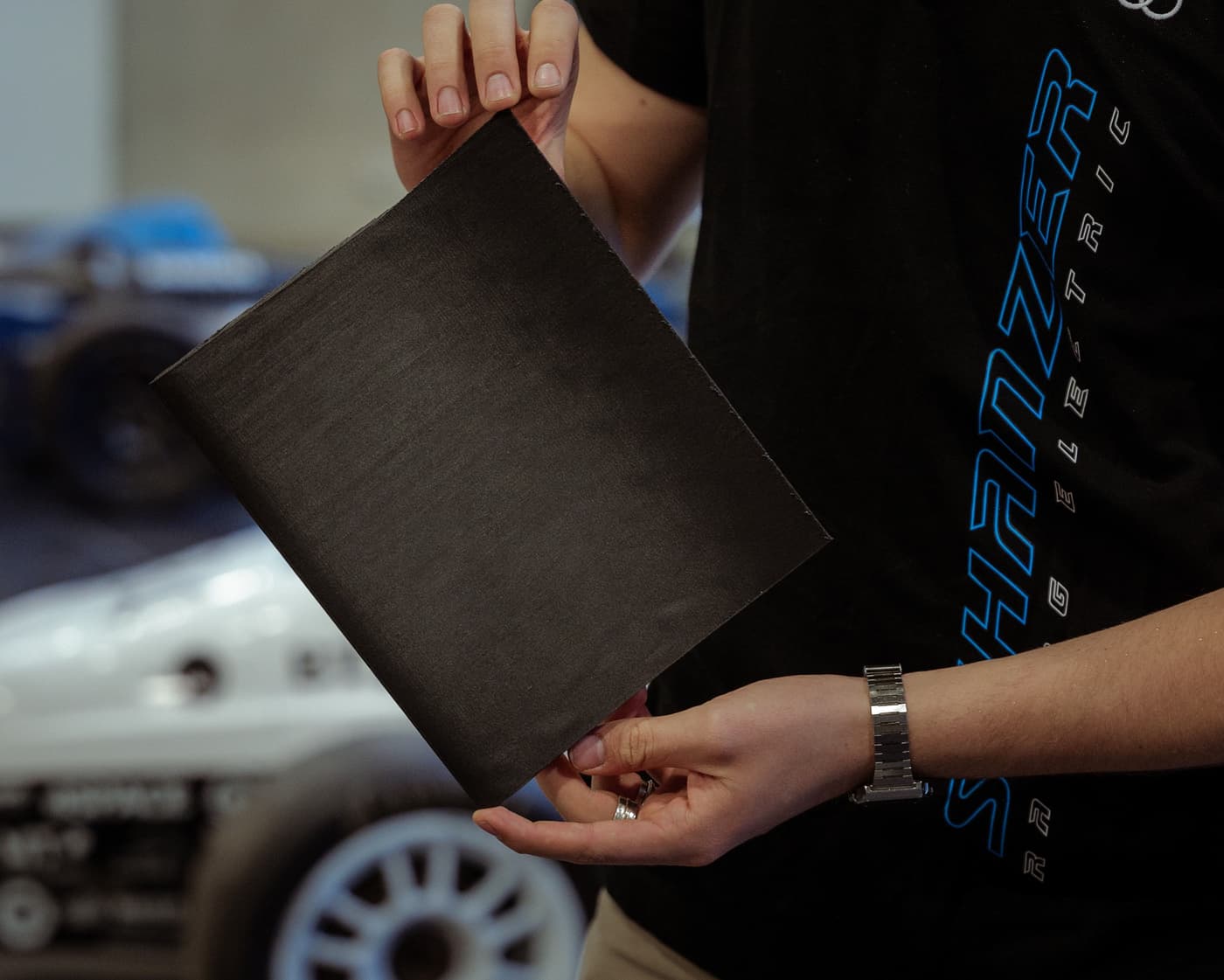
“Extrudr PETG is particularly suitable for mold making because it is very easy to print very high-quality components that are also chemically, thermally and mechanically resistant enough to withstand the lamination process.” Schanzer Racing Germany
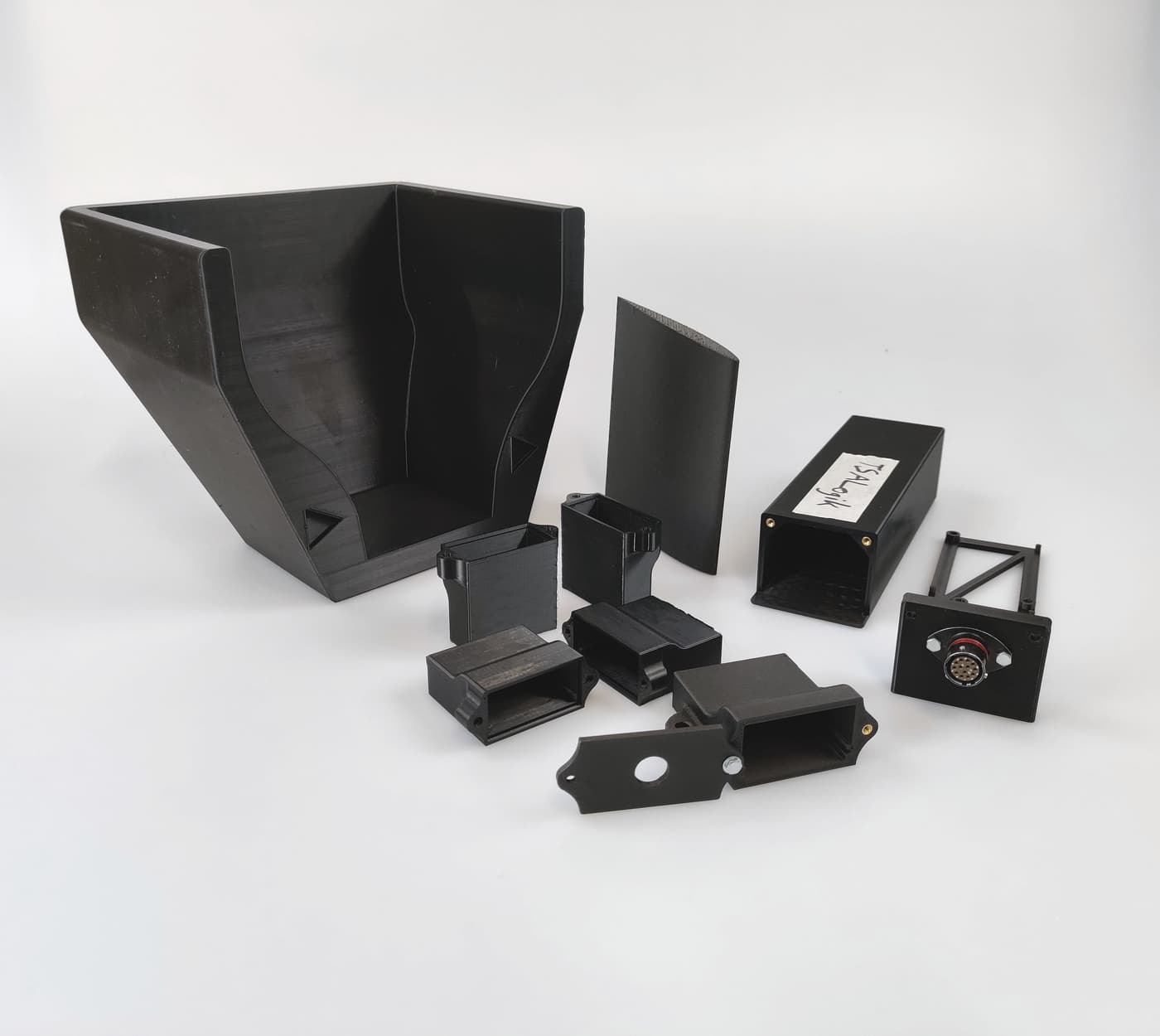
“We print our prototypes (vehicle models) from PLA NX2, the release element for BOT (Brake Over Travel Switch) and the inlet lip for fans from PETG, the bearing block for accelerator pedal from GreenTEC Pro Carbon, the air duct and other aerodynamic elements mainly from PLA.” WHZ Racing Germany