
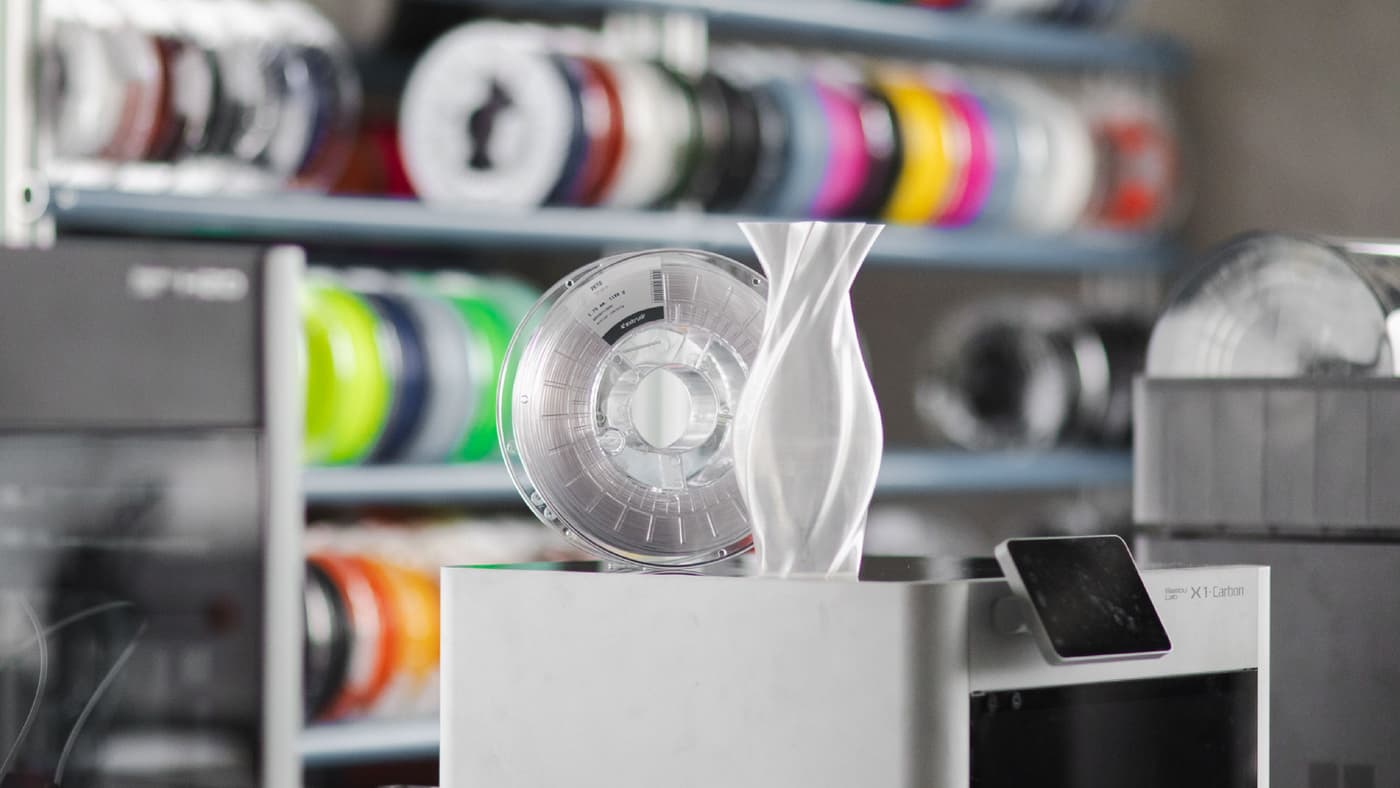
How to Spot High-Quality Filament
What to Check Before You Buy 3D Printing Filament
Not all filaments are the same.
At first glance, every spool might look very alike. Same diameter, similar colors, similar price ranges. But once your printer starts printing, the difference becomes obvious. One filament prints smoothly and predictably. Another turns your print into a stringy mess.
So how do you actually spot high-quality filament before buying it?
Let’s break it down into seven key factors.
1. Certifications & Regulatory Compliance
High-quality filament starts long before it reaches your printer. What does this mean?
Reliable materials meet recognized standards like REACH or RoHS, ensuring that the raw materials are safe, controlled, and compliant.
Why is this important?
Because certified materials point to a:
- controlled chemical composition
- safer handling and processing
- consistent material behavior
Additional certifications like FDA compliance or toy safety standards can also indicate that a manufacturer takes material quality seriously.
👉 In short: If a brand is transparent about certifications or compliances, that’s a strong signal of trust.
2. Data Sheets & Transparency
Good filament doesn’t hide behind marketing. Quality should always be backed by clear documentation.
Look for:
- Technical Data Sheets (TDS)
- Safety Data Sheets (SDS)
- Clearly stated material properties
These documents tell you what the material can actually do:
- strength and flexibility
- temperature resistance
- recommended print settings
👉 If you can’t find material data, you’re printing on guesswork.
3. Consistency: The Hidden Game-Changer
This is the part you don’t see, but you definitely feel.
High-quality filament maintains:
- tight diameter tolerances (e.g. ±0.02 mm)
- consistent roundness
- uniform material composition
Why should this matter to you?
Even small variations can lead to:
- under- or over-extrusion
- weak layer bonding
- rough or inconsistent surfaces
A good filament behaves the same at the beginning of the spool as it does at the end.
👉 Consistency is what turns “good prints” into repeatable results.
4. Moisture Control & Packaging
Filament and humidity don’t get along.
Most materials absorb moisture from the air, which can lead to:
- stringing
- popping sounds during printing
- weak or brittle parts
High-quality filament is:
- properly dried before packaging
- vacuum-sealed
- shipped with desiccant
This ensures that what you load into your printer is exactly what the manufacturer intended. Note that pre-drying and storing your filament in a dry place is nevertheless strongly recommended for achieving best results.
5. Compatibility & Print Support
Even the best material needs the right setup to shine.
You should always check whether the filament:
- works with your printer
- comes with tested print profiles
- includes realistic, proven settings
Why?
3D printing isn’t just material. It’s the interaction between:
- filament
- printer
- slicer settings
That’s why tested material profiles can save hours of trial and error and help you achieve predictable results faster.
👉 A good filament doesn’t leave you guessing. It guides you.
6. Origin & Production Standards
Where filament is made has a direct impact on quality.
Filament produced under strict manufacturing standards, such as in Europe, typically offers:
- better process control
- consistent batch quality
- compliance with environmental and safety regulations
Shorter supply chains and controlled production environments also contribute to more reliable material performance.
7. Price vs. Value: What Are You Really Paying For?
Cheaper filament often looks like a good deal, but lower-quality materials can lead to:
- failed prints
- wasted time
- additional troubleshooting
- higher long-term costs
High-quality filament, on the other hand:
- reduces print failures
- improves surface quality
- makes results more predictable
👉 You’re not just paying for material. You’re paying for reliability.
Final Thoughts: What Should You Look For?
Before buying your next spool, ask yourself:
- Does the brand provide certifications or compliance info?
- Are technical data sheets available?
- Is the filament known for consistent performance?
- Does it come with tested print settings or profiles?
- Is the production transparent and trustworthy?
If the answer is yes across the board, you’re on the right track.
Ready to Print Better?
Choosing the right filament is one of the easiest ways to improve your print quality without changing your hardware.
Start with materials you can trust, and you’ll spend less time fixing things and more time printing.
Because in the end, great prints don’t start on the build plate.
They start with the filament.