
A Missing Piece in the Printing Setup
Modern 3D printing is defined by precision, performance, and ever-improving materials. But one aspect still goes under the radar: indoor air quality. During FDM printing, even commonly used filaments like PLA or PETG can release ultrafine particles (UFPs) and volatile organic compounds (VOCs), especially when running for long hours or using elevated temperatures.
In small or poorly ventilated rooms, these emissions can accumulate over time. While usually low and often unnoticeable, prolonged exposure, especially in environments with multiple printers running simultaneously, can contribute to odor discomfort or potential health concerns. This is particularly relevant in schools, creative studios, home offices, or prototyping labs where 3D printing happens daily.

Smart Filtration for a Cleaner, More Comfortable 3d Printing Experience
Filtration technology is advancing rapidly, offering plug-and-play solutions that make it easier than ever to maintain a cleaner printing environment. These systems are designed to capture VOCs and UFPs directly at the source, reducing emissions during the printing process without interfering with print quality or workflow.
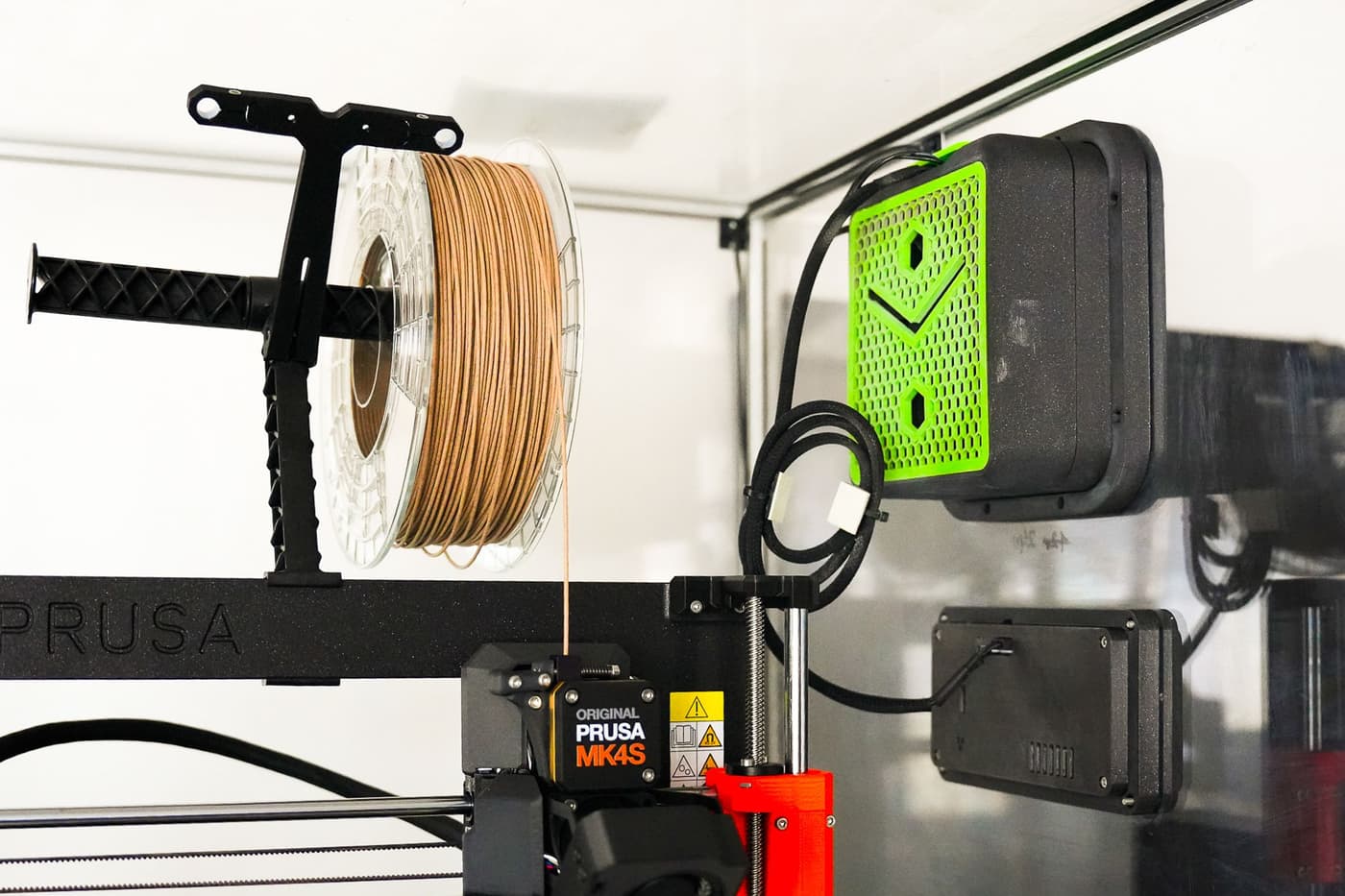
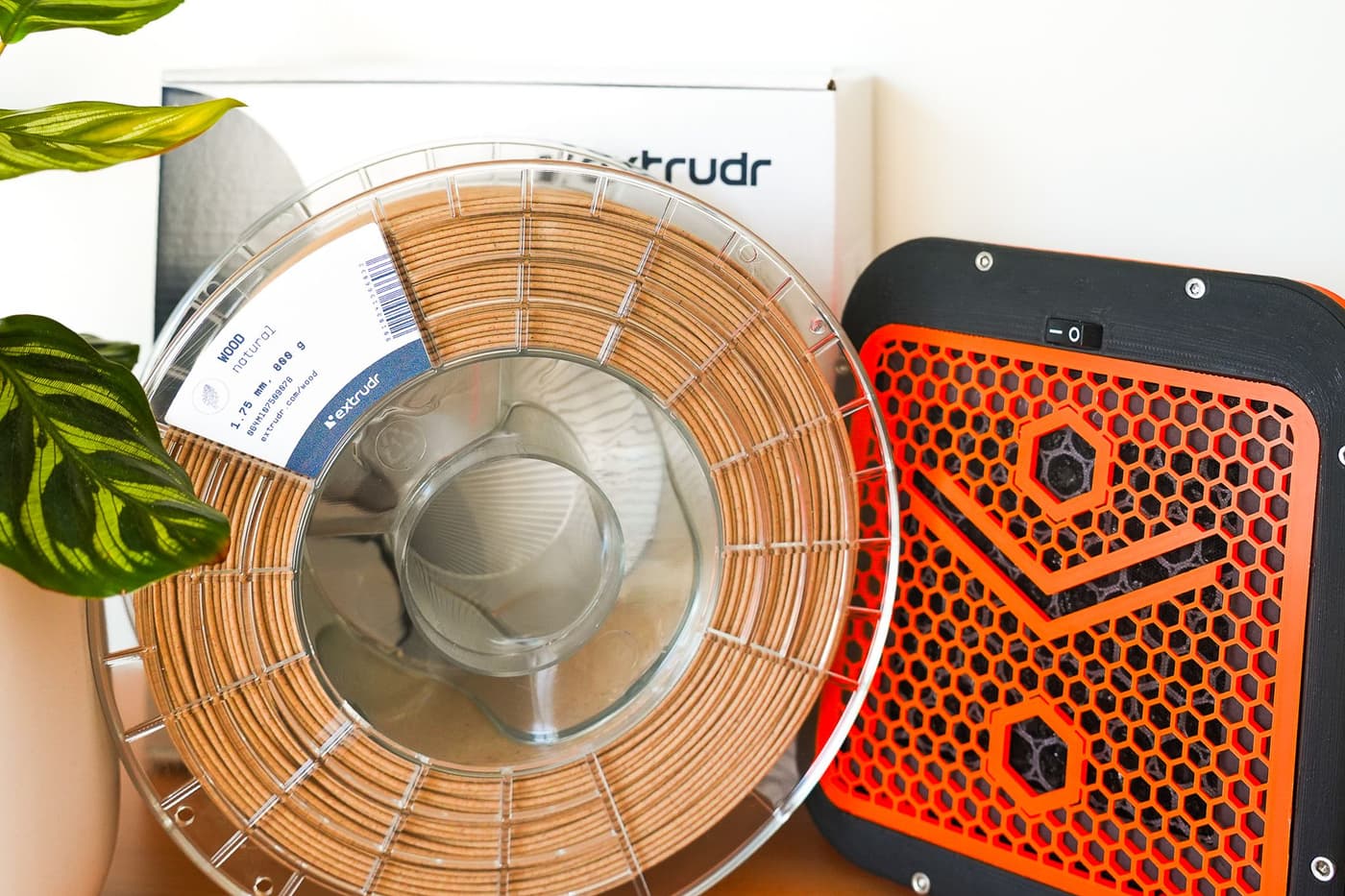
One example is Alveo3D, based in the French Alps, which offers a range of compact filtration systems tailored specifically for 3D printing. Their P3D filter, among others, is a 2-in-1 solution that targets both VOCs and UFPs while also helping to eliminate unpleasant printer odors, a major plus in home or shared spaces where smell can be intrusive.
Designed to work with a wide variety of setups, these systems are compatible with both homemade and professional printer enclosures and support all major filament types, including PLA, ABS and PETG.
Looking Ahead: Printing With Purpose
Air quality and material quality do not compete. They’re part of the same vision. Technologies like Alveo3D’s filtration systems complement sustainable filaments by supporting a more thoughtful printing setup overall. Together, they offer users a way to work in a more healthy and responsible way without compromising on creativity or performance.
This kind of collaboration between material innovation and environmental awareness will shape the next chapter of additive manufacturing. As 3D printing becomes more embedded in education, design, and industry, it's clear that responsibility and performance must grow side by side.
Responsible Printing as a Shared Mission
At Extrudr, we’ve focused on minimizing emissions at the material level through bio-based polymers, REACH- and RoHS-compliant production, and transparent communication about sustainability. But even with clean materials, the printing environment plays a key role. We believe that good results require more than just the right filament. They also depend on how and where you print.
That’s why we see clean production and clean applications as two parts of the same system. From our manufacturing site in Austria to the end user’s printing room, the entire chain should reflect care, for the environment, for quality, and for people. When clean materials meet a clean space, the result is not just a better print but a better process overall.
Discover more information about air filters: